Testing Under Vibration:
How one field team delivered accurate, in-situ material verification in a challenging compressor station environment

Introduction
Where machining tensile specimens for testing is not an option, hardness is often considered as a solution.
This poses a significant limitation; while hardness testing offers advantages such as affordability, speed, ease of use, and suitability for testing small specimens, a hardness number is not a fundamental material property. Furthermore, practitioners are limited to conversions into a limited set of material property values, as hardness numbers cannot give full stress-strain curves, which means that without further information finite element modelling cannot always be conducted accurately.
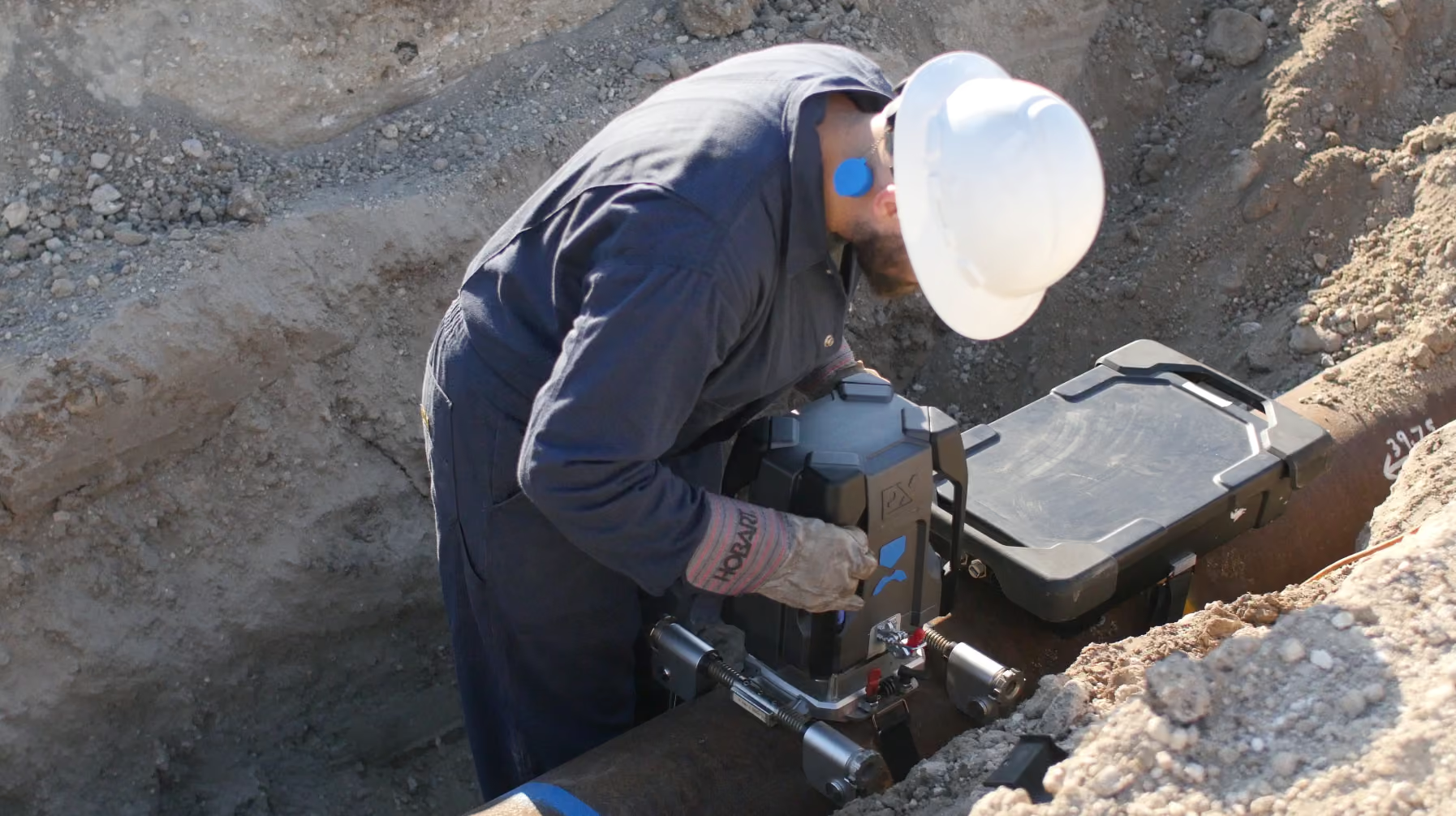
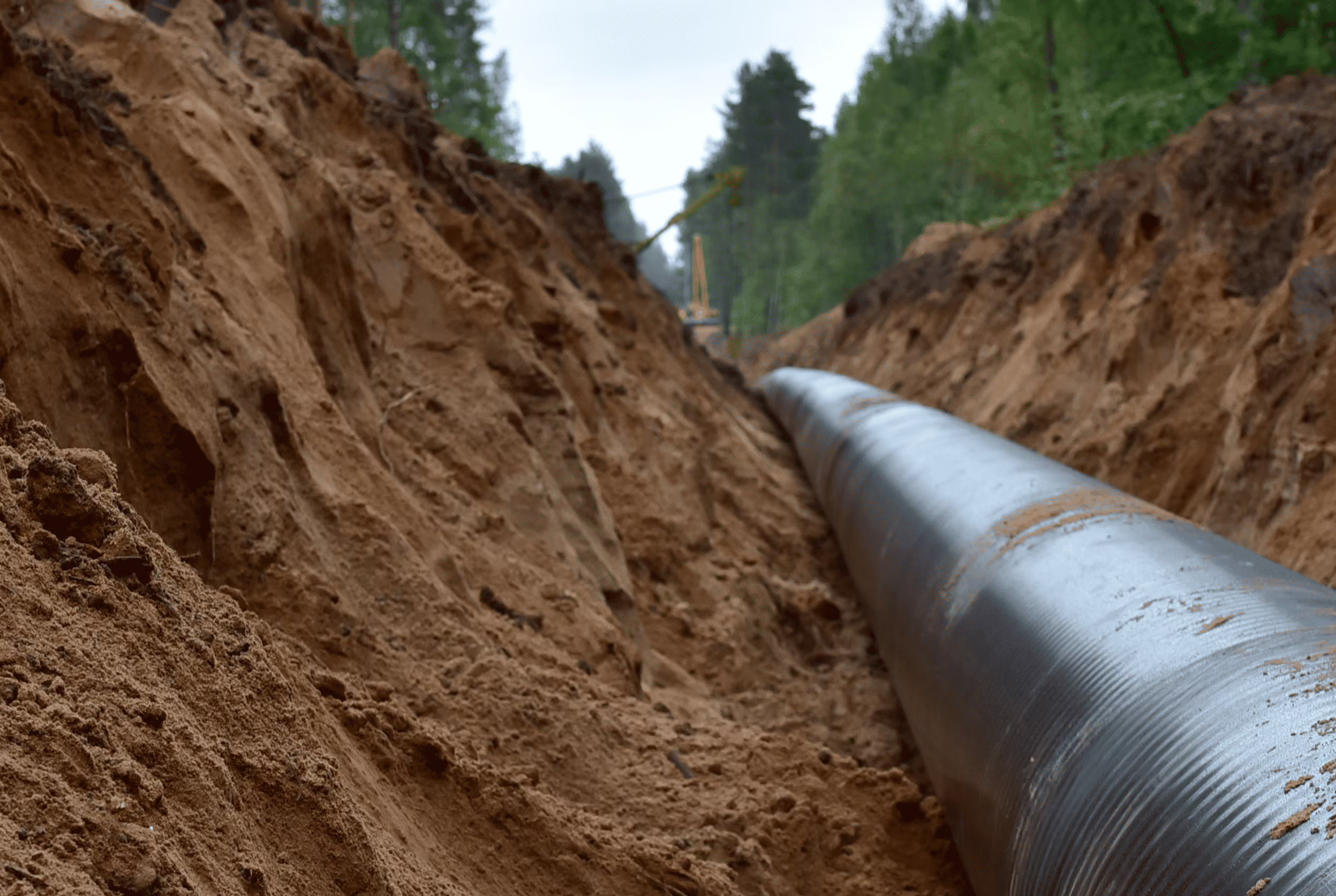
A major challenge often presents itself to operators when verifying pipeline materials near compressor stations: vibration. These conditions cause inspection tools to fail making it notoriously difficult to collect reliable material verification data. Yet, such data is essential for recalculating MAOP (Maximum Allowable Operating Pressure) and maintaining TVC (Traceable Verifiable Complete) records in line with PHMSA’s Mega Rule.
In this case study, we follow how a testing provider used the PLX-Portable to overcome these vibration hurdles and deliver accurate results, on time and with confidence, helping a major North American operator meet its compliance obligations.
Challenge
Measuring mechanical properties directly on in-service pipes reduces operator downtime. But the in-situ testing methods used require data to be collected at fine resolution with highly sensitive instruments.
In stable environments this is achievable, but vibration changes everything. Even small movements can interfere with sensitive readings, making accurate testing difficult, especially near compressor stations or even passing trains.
In one recent example, a service provider spent over a week attempting to gather usable data using a well-known material verification tool, only to abandon the effort due to persistent vibration interference. This kind of disruption not only delays projects, it also impacts regulatory timelines, and budgets — especially when crews are mobilized and ready to work.
Objective
The vibration at two of the operator’s compressor stations in Texas meant that a tool that could deliver reliable data in high-vibration environments, without impacting operations or data quality, was needed.
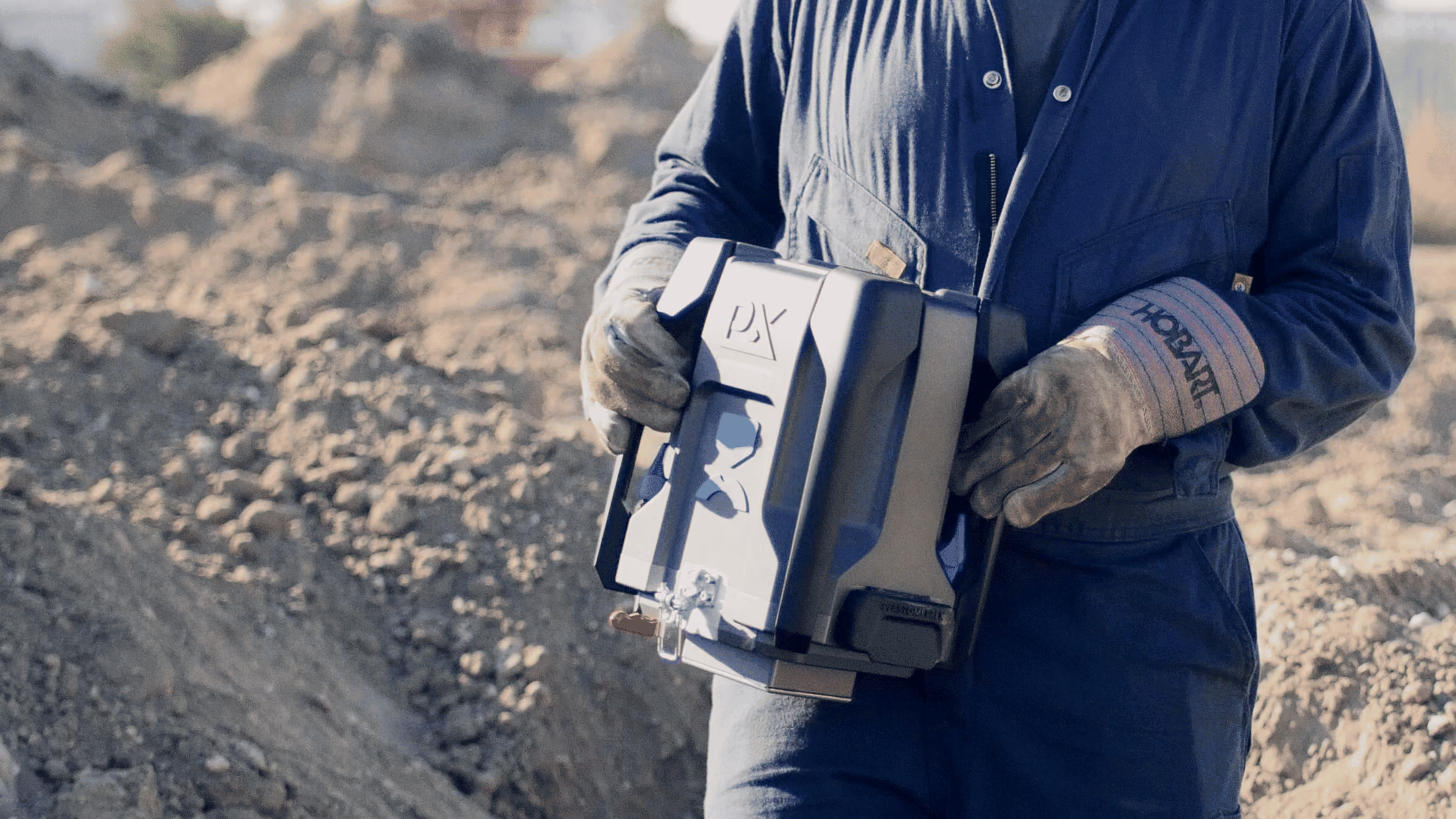
The inspection provider selected the PLX-Portable: a system designed to efficiently deliver market leading accuracy and repeatable results across a wide range of field environments.
In contrast to competing technologies, the PLX-Portable is developed and validated for vibration insensitivity. This, alongside robust design and more than 100 system safeguards and safety checks, makes it the most reliable choice on the market.
This study set out to confirm that the PLX-Portable could accurately test vibrating pipes at the two compressor stations, without interrupting operations, and deliver the high-quality mechanical data needed for material verification.
Measurements
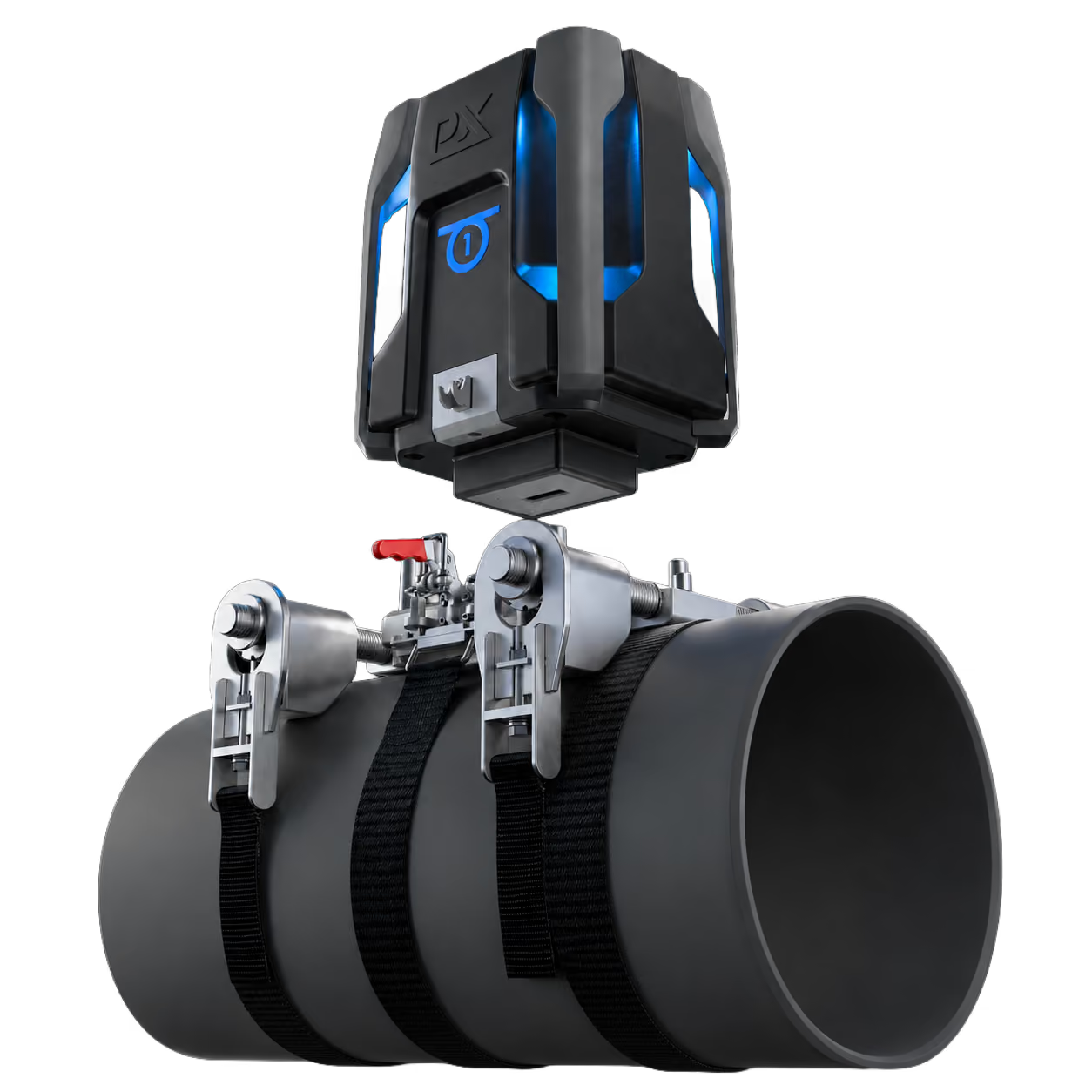
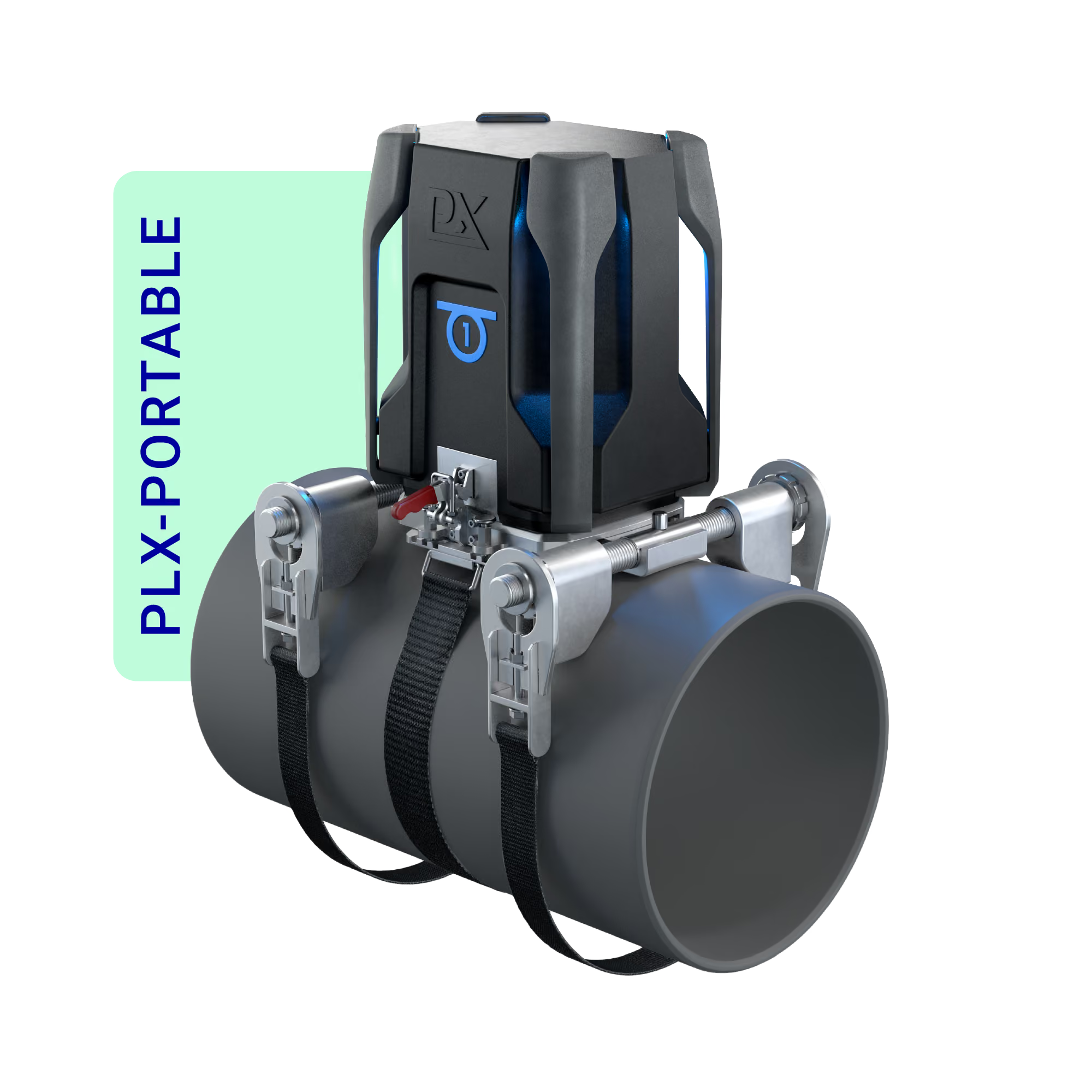
All measurements were carried out with the PLX-Portable, a macro-mechanical test device that measures the yield and tensile strength of pipe metal, in-situ, via an automated indentation-based test.
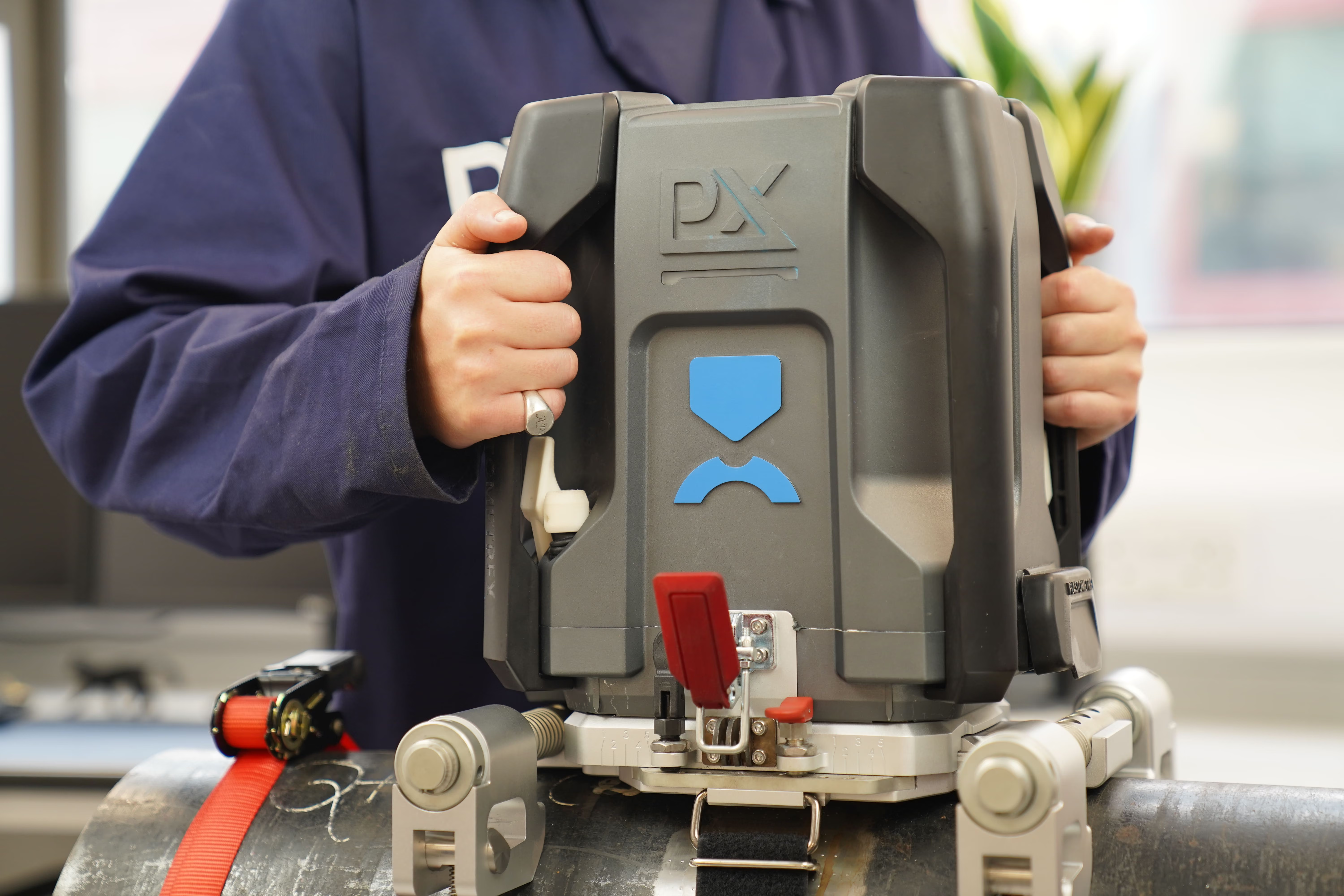
Testing was carried out across a range of pipe sizes, from 4 Nominal Pipe Size (NPS) to 42 NPS, using flexible fixtures (Figure 1) that allowed the system to be securely mounted at multiple locations across the site.
Each test captured two core inputs, peak load and surface indent profile data. These were automatically fed into software and used to calculate material properties through proprietary analysis algorithms. Full and final results were delivered immediately at the dig site (Figure 2).
Results
Despite visible vibration during testingwith the PLX-Portable, technicians were able to complete the work without delay. In total, 17 pipe joints were successfully tested, with up to thre etests completed in a single day.
Unlike other methods, the PLX-Portable does not rely on load-displacement curves, which are particularly susceptible to interference from vibration.
By eliminating this dependency and testing at a larger scale than competing tools, the system proved well-suited to deliver reliable, repeatable results — even under these challenging field conditions.The high-quality yield and tensile data provided by the PLX-Portable was subsequently used by the operator to support their material verification andintegrity programs.
Conclusion
The successful completion of this project demonstrated that the PLX-Portable provides accurate yield and tensile measurements from vibrating assets in-situ. The inspection provider was able to carry out efficient, accurate material verification work, helping the operator meet critical regulatory requirements without disruption.
This case reinforces the value of robust, field-ready testing solutions like the PLX-Portable, not only in challenging environments, but anywhere accurate in-situ material verification is required.