Test Smarter.
Discover More.
A tiny indent can reveal mechanical property insights previously out of reach.


How can something so small tell you so much?
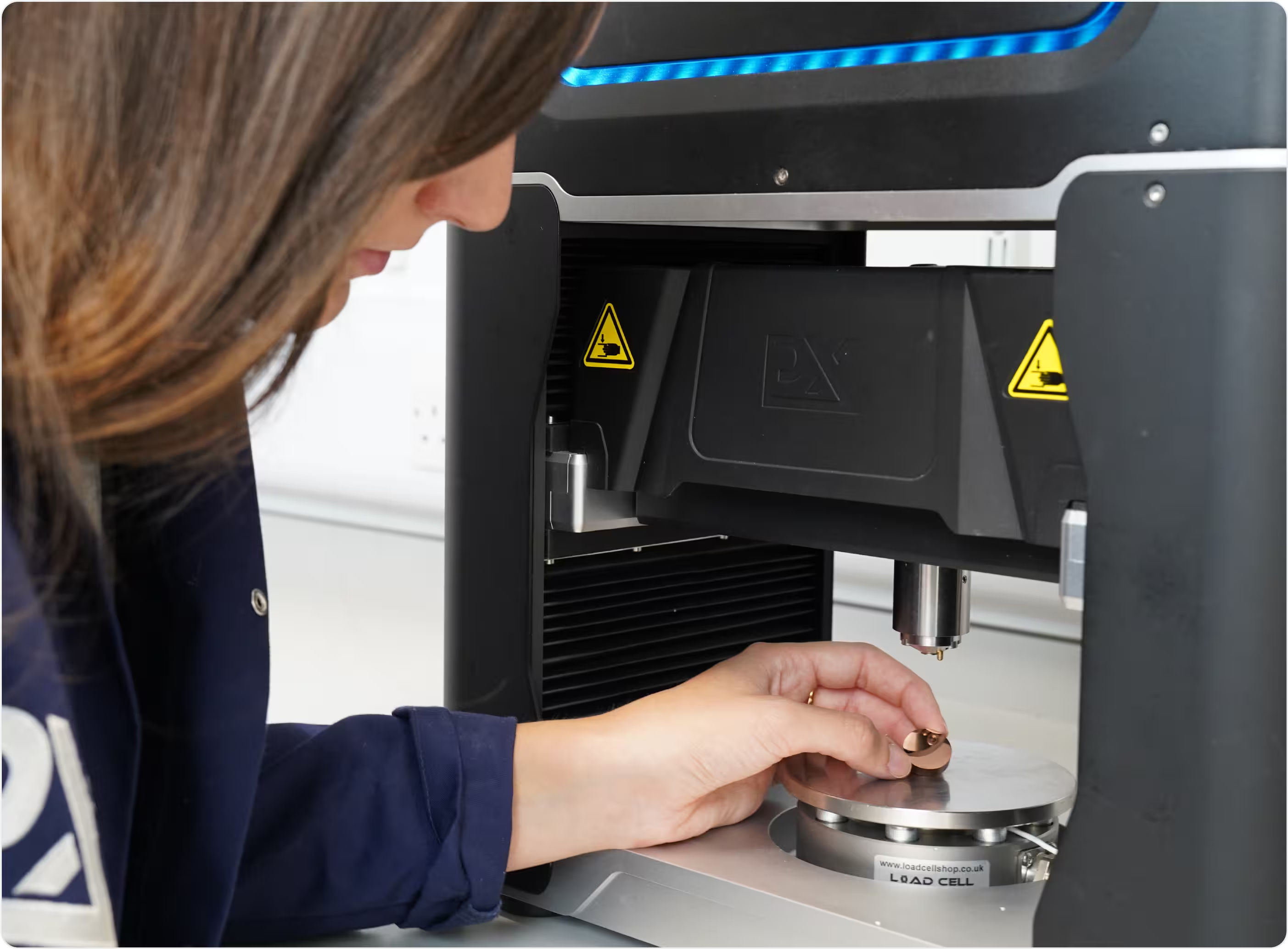
By carefully probing the surface of a metal, you can reveal how it behaves under load. This goes beyond a single number to provide meaningful mechanical behaviour. The result is data that’s richer, more localised, and often available from samples that would otherwise be considered untestable.

Mechanical testing has always involved trade-offs.
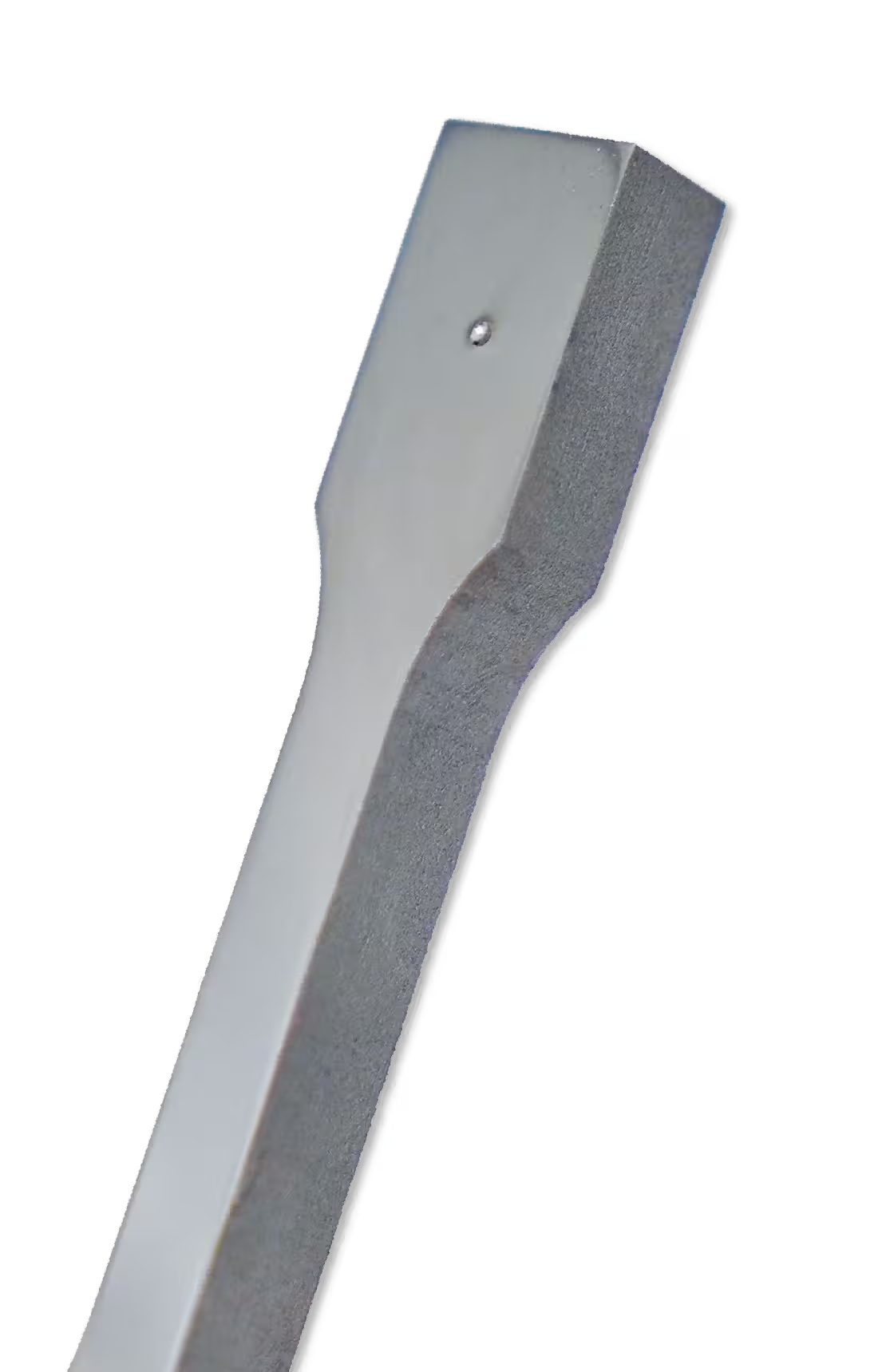
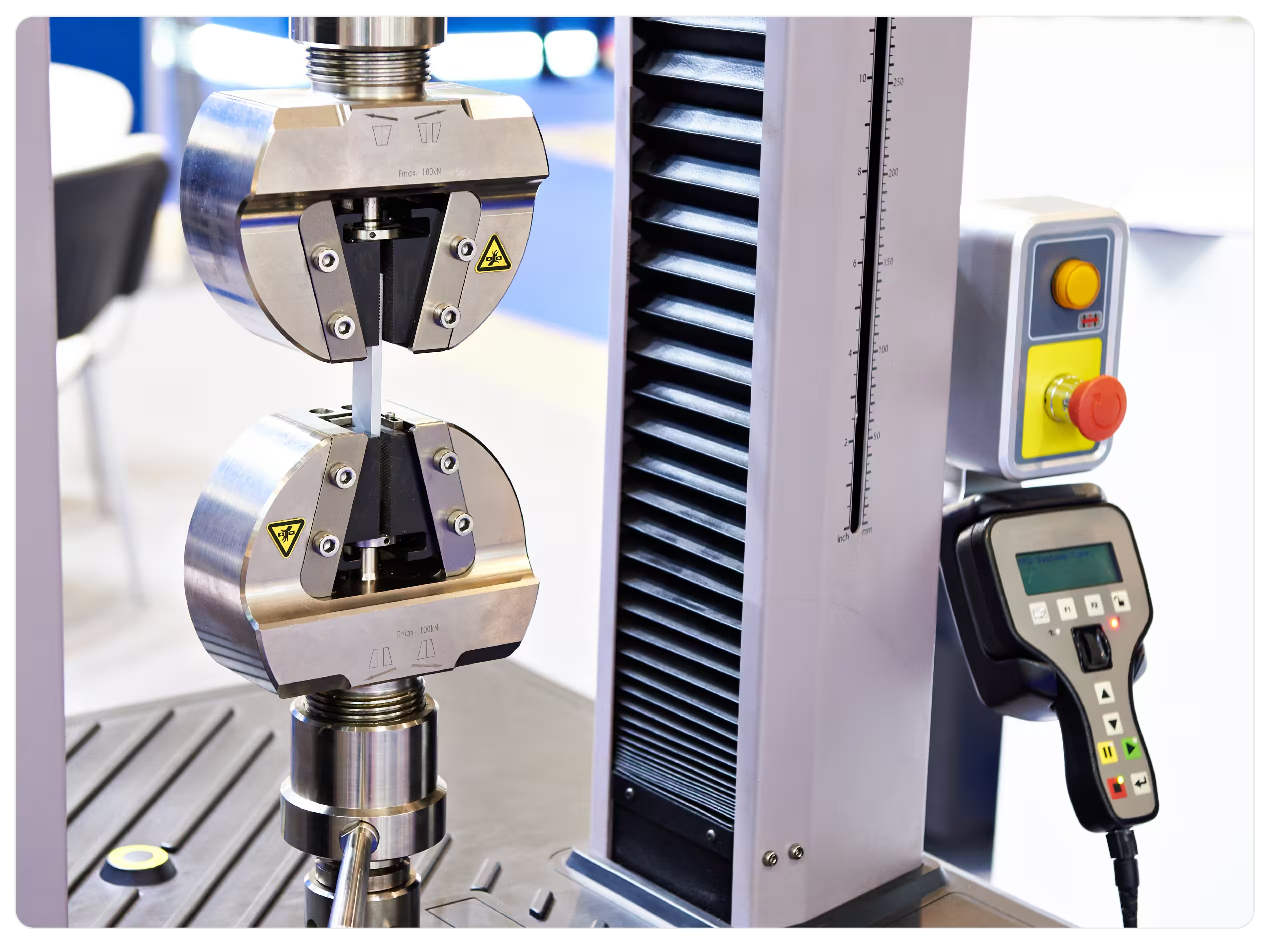
Tensile testing offers deep understanding, but demands time and material. Hardness testing is fast and practical, but limited in what it can reveal.New approaches are changing that, offering richer insight at a scale and pace that better fits modern testing needs.
What this opens up in practice

Extract meaningful mechanical insight from small or complex samples

Understand local property variation within a single part

Test welds, builds, and surfaces rapidly and non-destructively

Accelerate iteration during research and development

Verify mechanical behaviour in real parts, not test coupons
Meet Profilometry-based Indentation Plastometry (PIP Testing).
If you want to explorehow PIP works, how it compares to tensile and hardness testing, and how it’s used in practice, click the link below to learn more.